Current Opportunities
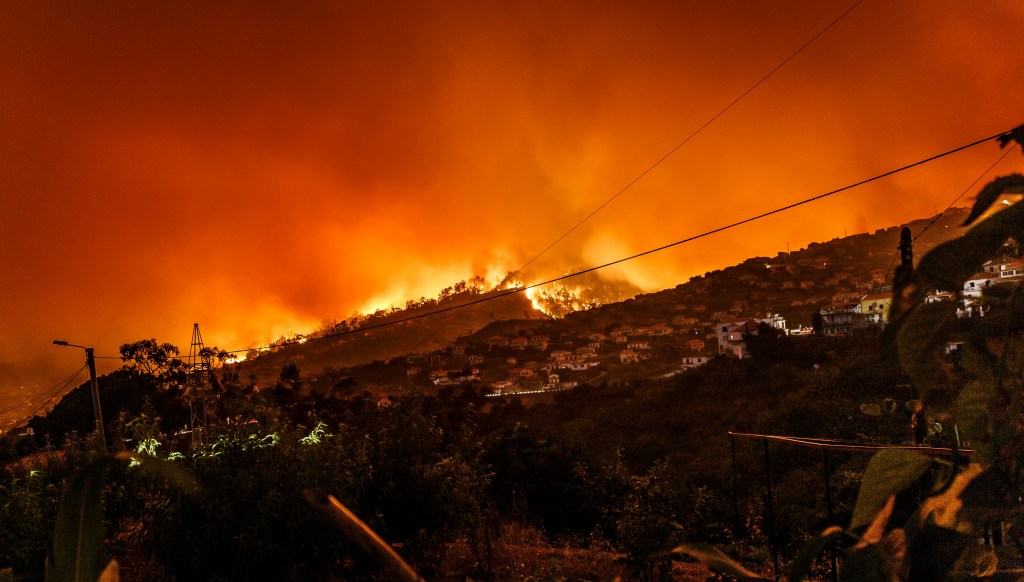
Postdoc: Senior Research Associate in Wildfire Research (RA2361)
Join a £1m NERC-funded project seeking to explain why some fires are so destructive, deliver warning systems, and predict risk in the coming century.

PhD: Predicting and Mitigating Megafires under Climate Change, CASE project with WTW
Help us find out what causes the largest, hottest, fastest, and most destructive fires on our planet.
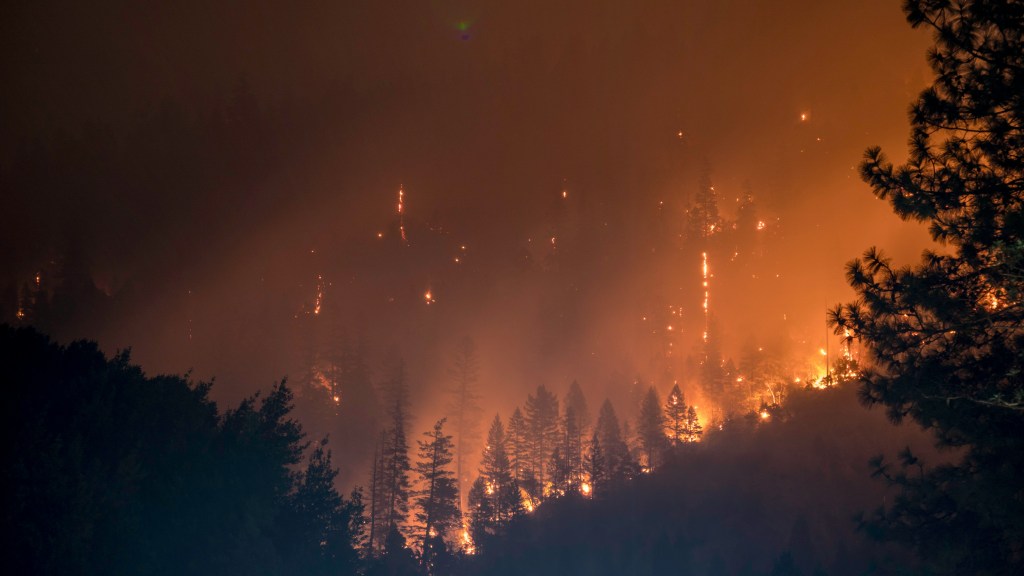
PhD: Causes and Syndromes of Extreme Wildfires in Tropical and Extratropical Forests
Help us uncover the key traits of extreme wildfires across different forest environments, and understand how climate and land use change are forcing trends in those extremes.
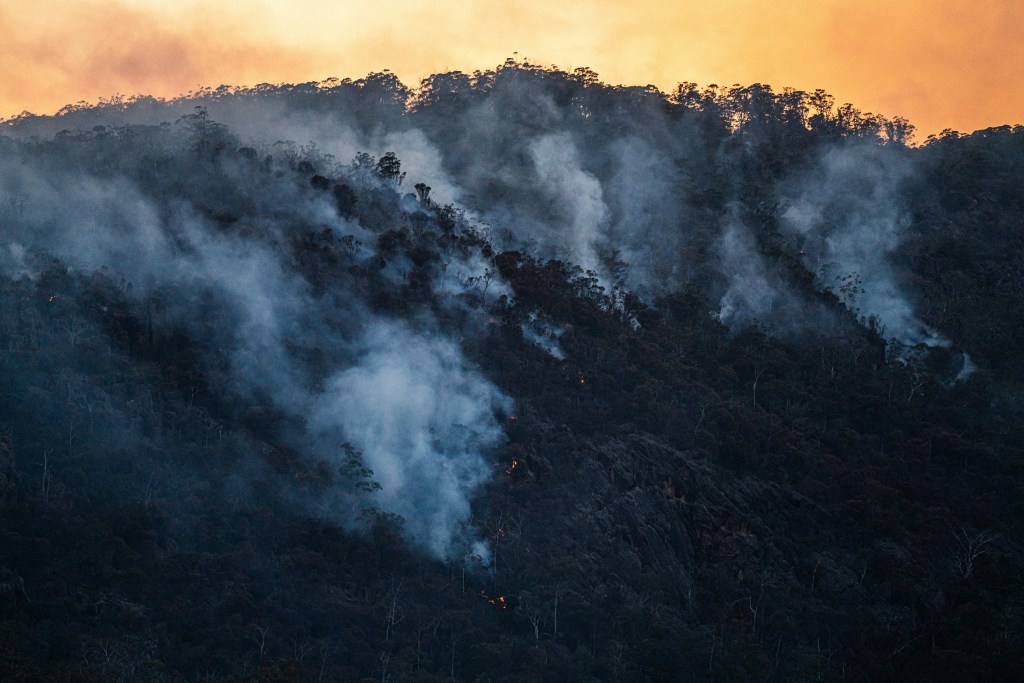
PhD: Forest Carbon Project Exposure to Wildfire: Global Patterns and Evolving Risk under Climate Change, CASE project with BeZero Carbon Limited
Help us quantify the risk of wildfires in crucial carbon projects – the most promising approach to offsetting carbon emissions and achieving Net Zero in carbon-intensive industries.
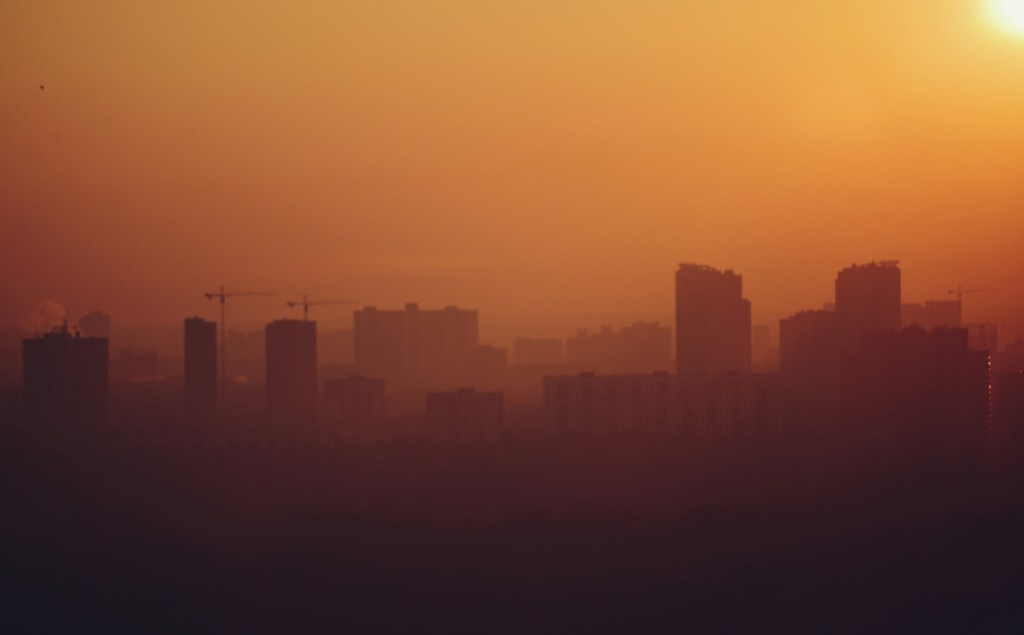
PhD: Smoke Signals: Predicting the health burden of wildfires across the UK and Europe
How vulnerable is the European population to harmful wildfire smoke emitted from wildfires?
Fire Research Team Members
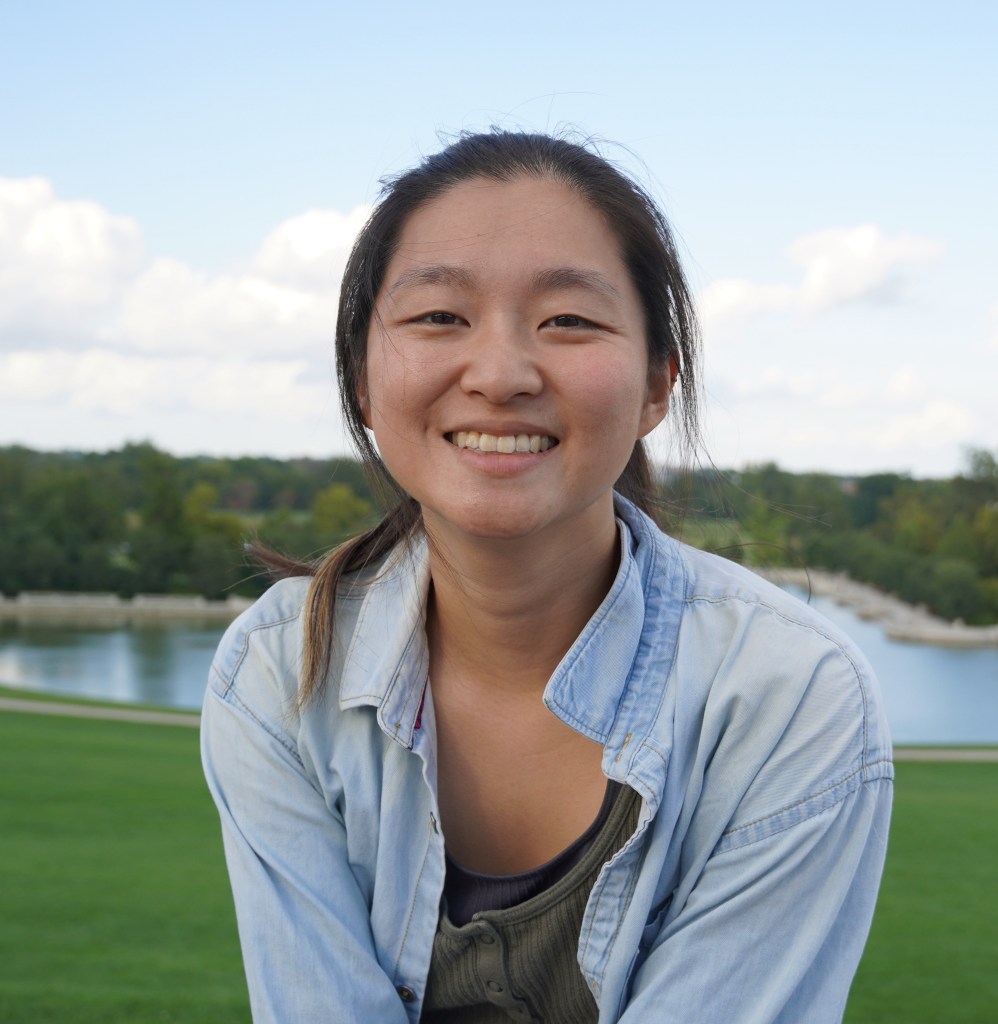
Alice Hsu, PhD student studying how climate change could impact wildfire management strategies. Leverhulme Trust Doctoral Scholar as a part of the Critical Decade for Climate Change scheme.
My multidisciplinary research project will have two parts: first, I will examine how the weather conditions under which prescribed burning can be conducted will be altered by climate change using climate model projections; then, I will engage with land managers from diverse backgrounds – of different occupations and from different countries – to learn from them what challenges or opportunities these changes might present.
I completed my MSc in Environmental Engineering from University of California, Berkeley, and a BA in Chemistry from Washington University in St. Louis. I have conducted research related to wildfires, air quality, atmospheric sciences, and climate change, and most recently completed a research fellowship at the US Environmental Protection Agency.
Along with my research, I am also passionate about educational reform, equitable teaching practices, and increasing the accessibility of science and engineering. I hope to integrate elements of rethinking how we do research into my project and contribute to developing a more inclusive teaching and research paradigm.
Outside of research, I enjoy any sort of sport, long distance running and hiking, being outdoors, and reading in coffee shops.

Grania Power, PhD student examining ‘brightspots’ in Amazonian wildfires, supported by the SeNSS-ARIES joint studentship for interdisciplinary research in the social and environmental sciences.
In my project, I will seek to identify ecological and socioeconomic/cultural factors that can begin to explain the relative resilience of certain geographic areas in Amazonia to wildfires. I will examine areas within the Brazilian Amazon rainforest which have fared better than our current models could have anticipated during wildfire events, and seek to explain the relative resilience and success of these ‘brightspots’— firstly through top-down GIS analysis, and then through bottom-up ethnographic research on the ground with local communities and actors. This project will apply the ‘brightspot’ concept, which was developed by Joshua Cinner et. al in 2016 for modeling coral reef resilience, to the Amazon rainforest for the first time.
I have previously conducted ethnographic research on interspecies interactions in public wildlife parks, and on traditional peat harvesting practices among farmers in rural Ireland— and the fascinating changes that these practices are undergoing under EU climate targets. I have also worked in the nonprofit sector, natural science research publishing, literary publishing, and environmental education.
I hold an MA in anthropology from University College Cork, and a BA in environmental science and natural history from Mount Holyoke College, in Massachusetts.
Outside of research I enjoy reading and writing fiction, farming and gardening, and exploring new places.

Esther Brambleby, Esther Brambleby, PhD student researching the climate change impacts on wildfire risk in seasonally-dry forests, supported by the ARIES Doctoral Training Partnership.
In my project, I am combining a global dataset of lightning observations with wildfire ignition points to create a database of lightning-ignited wildfires. I will look for regional patterns in the properties of lightning strikes conducive to wildfire ignition, and examine the climatic thresholds that determine whether a lightning strike ignites a wildfire. I will also evaluate the impact of lightning-ignited wildfires on carbon storage.
I hold an MSc Applied Meteorology from the University of Reading and BSc (Hons) Mathematics from the University of Warwick.
Outside of research I enjoy travelling, reading and playing the flute.
Other Advisees
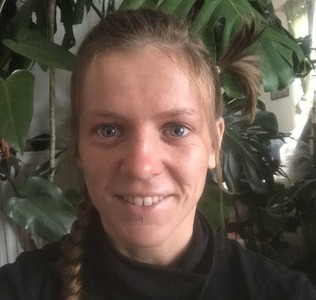
Amy Russell, PhD student studying microbial communities in forest wetland soils, and how the varying composition of those communities influences the breakdown of organic matter and drives the cycling of nitrogen.
Amy started her PhD at the University of East Anglia in October 2023 as part of the Lehtovirta-Morley lab project “Wetlands under threat: Linking microbiomes, nitrous oxide emissions and climate change”.

Laura Wilkie Johnson, PhD student researching the dynamics of black carbon, a product of incomplete combustion in wildfires, once the product reaches the global oceans via rivers.
Laura started her PhD at the University of East Anglia in October 2024. Her work is a collaboration with the British Antarctic Survey (BAS).
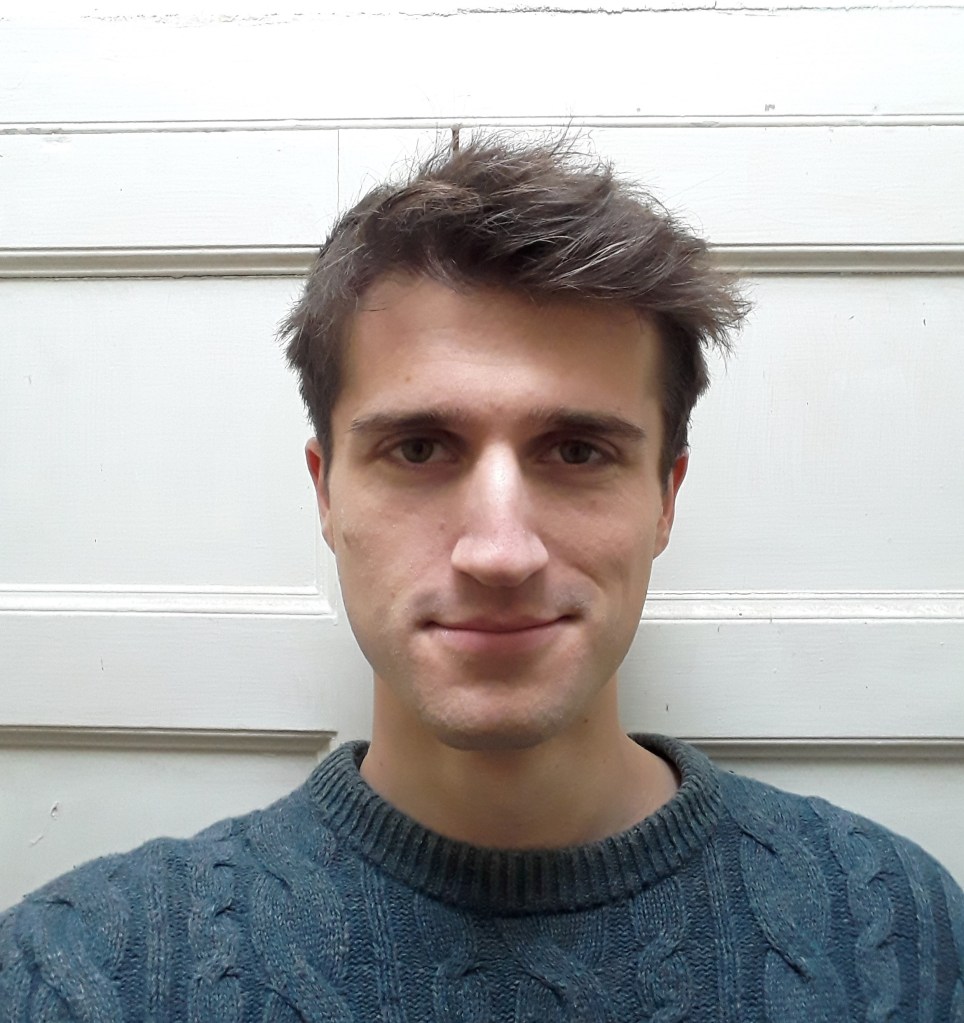
Jack Heslop, PhD student using climate models to study sea level rise over century timescales, and evaluating the potential of engineering and nature-based adaptation measures to limit population exposure to flood risk in future.
Jack started his PhD at the University of East Anglia in October 2024 under the primary supervision of Robert Nicholls.
Past and Honorary Team Members
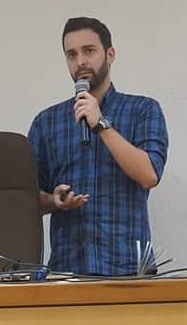
Guilherme Mataveli, affiliated Research Fellow. I am a post-doctoral researcher at the Earth Observation and Geoinformatics Division of the Brazilian National Institute for Space Research (INPE), financed by the São Paulo Research Foundation (FAPESP). I am particularly interested in studies related to fire, deforestation, land use and land cover changes, protected areas, and environmental policy in the Brazilian biomes – especially in the Amazon.
I am a geographer specialised in the use of Earth Observation and modelling to understand how degradation processes, particularly fire and deforestation, and land use and land cover changes affect tropical forests. I am also interested on impact of degradation processes over the emissions of trace gases and aerosols associated with biomass burning. My research also covers the role of protected areas in keeping the standing forests of Amazonia and how Brazilian environmental policies affect the conservation of these forests.
I completed my PhD in Physical Geography at the University of São Paulo in 2019, where my thesis assessed the spatial and temporal patterns in the fire regime and trends in the emissions associated with biomass burning in the Cerrado biome (Brazil). I hold a MSc in Remote Sensing from the Brazilian National Institute for Space Research, where my dissertation analysed the influence of the viewing angle and background in the estimate of Fire Radiative Power using small-scale combustion experiments. I have also worked as a research assistant at the Geosciences Department of the São João del-Rei Federal University before rejoining the National Institute for Space Research as a post-doctoral researcher.
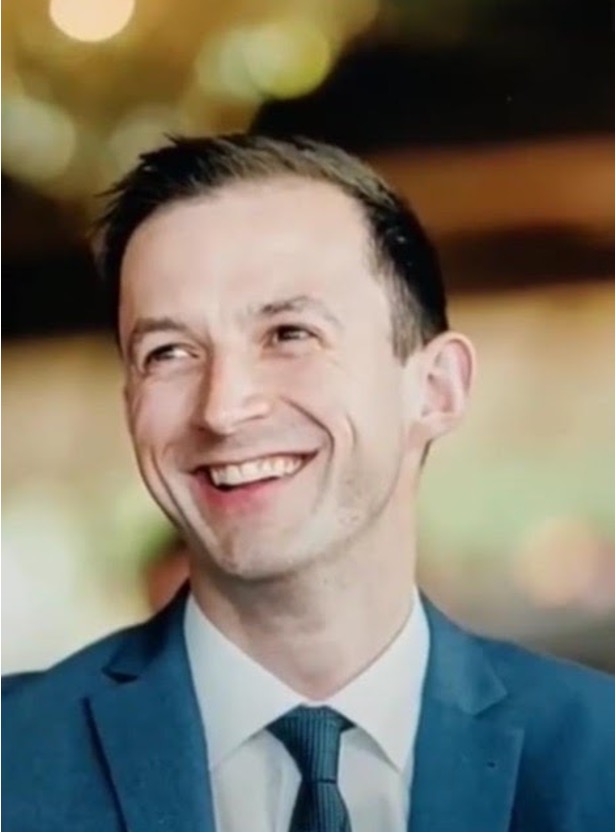
Adam Smith, Senior Research Associate working on synthesis of climate change impacts, wildfire analyses for the Mediterranean region and uncertainty in carbon-cycle modelling.
My interests lie in communicating the science of climate change to encourage meeting the ambition of the Paris Agreement. My work has focussed on climate change impacts and their interaction with the carbon cycle.
Following a career as a geoscientist working in industry, I completed the MSc Climate Change at UEA in 2019, where my dissertation described future projections of drought in the Anglian Region using Met Office projections (UKCP 2009 and 2018).
My subsequent research work has focussed on synthesising emerging research on climate change impacts through ScienceBrief.org and coordinating a series of ScienceBrief Reviews on topics such as wildfires, extreme rainfall, cyclones, marine heatwaves, carbon sinks and Arctic amplification. This work was funded by the EU H2020 project CRESCENDO and by the Heineken Prize awarded to Corinne Le Quéré.
I have recently begun work on the EU Horizon 2020 Project VERIFY where I will undertake work to describe uncertainty in carbon cycle modelling and analyses of future wildfire projections in the Mediterranean region, using the Copernicus program Climate Data Store (CDS).
When I’m not working I enjoy spending time with my family, especially being outdoors for running, cycling, walking and camping.
Adam is still based at UEA and continues to collaborate with the group.

Sally Matson, Research Associate used deep learning to predict the terrestrial carbon sink.
My interests lie in using machine learning and deep learning to help mitigate and adapt to climate change.
I studied Math and Computer Science at Georgetown University, where I developed models of methane emissions for my senior thesis.
In 2019, I was awarded a prestigious Marshall Scholarship, which funded my MSc in Climate Change at UEA. My award-winning thesis focussed on using neural networks to predict the response of the terrestrial carbon sink to variability in CO2 concentrations, climate, and large-scale climate oscillations. I continued to explore this topic as a research associate, funded by the EU Horizon 2020 Project VERIFY.
Sally is now completing a second MSc in Sustainable Energy Futures at Imperial College London.
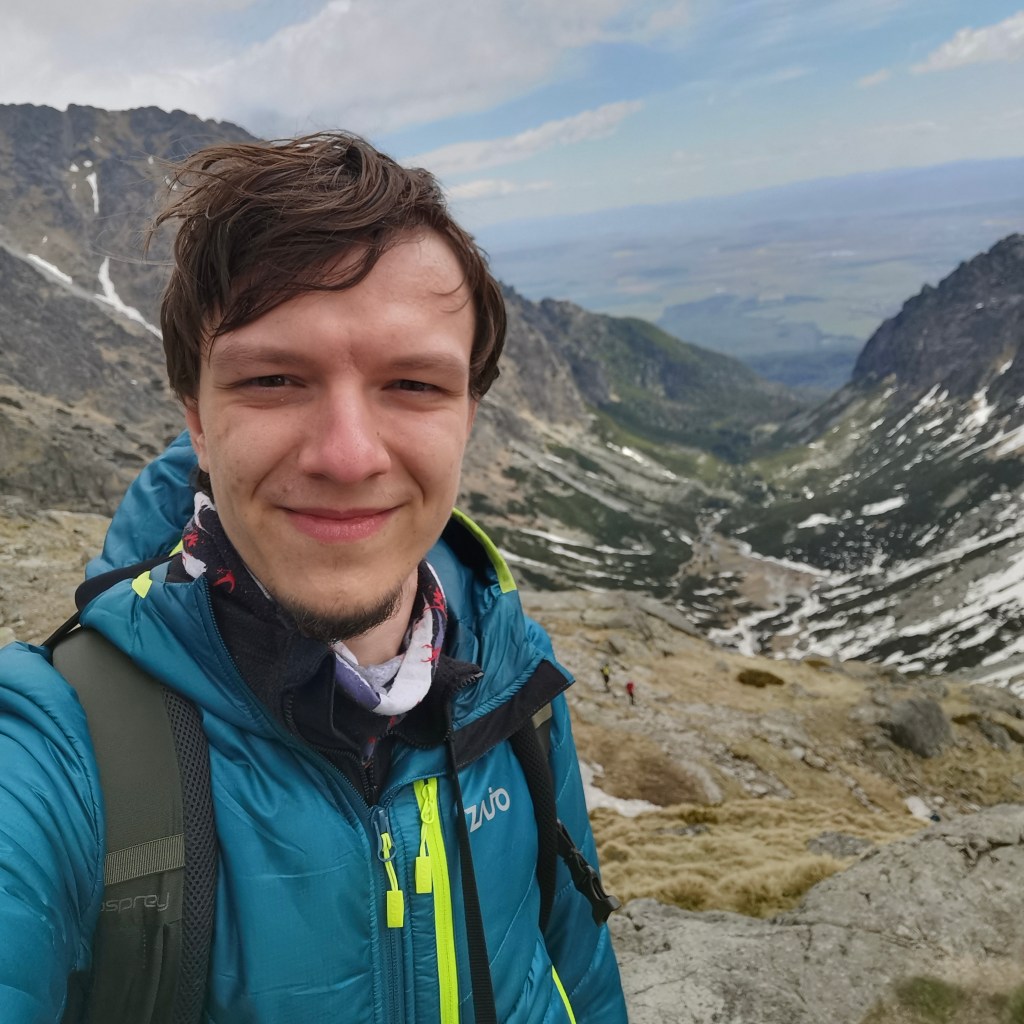
Matúš Seči, Research Associate working on the human drivers of wildfire and biodiversity loss in Amazonia
I am studying towards a degree in Ecological and Environmental Sciences and I am especially interested in using quantitative approaches and remote sensing to understand global change.
My research at the UEA focuses on disentangling the patterns of land management in the Brazilian Amazon using socioeconomic and agricultural data, land cover products, and machine learning, and my aim is to connect patterns of land management to changes in fire and biodiversity loss in the Amazon.
My work has been funded by a Research Experience Placement of the Natural Environment Research Council’s ARIES Doctoral Training Partnership and by the Heineken Prize awarded to co-supervisor Corinne Le Quéré.
After completing my undergraduate degree I plan to pursue PhD studies focused on researching environmental change in the tropical regions.
Outside my studies and research I like to dedicate my time to reading non-fiction, walking, martial arts and listening to podcasts.
Matúš went on to study for his PhD at the University of Edinburgh, focussing on monitoring savannah vegetation dynamics in Africa.
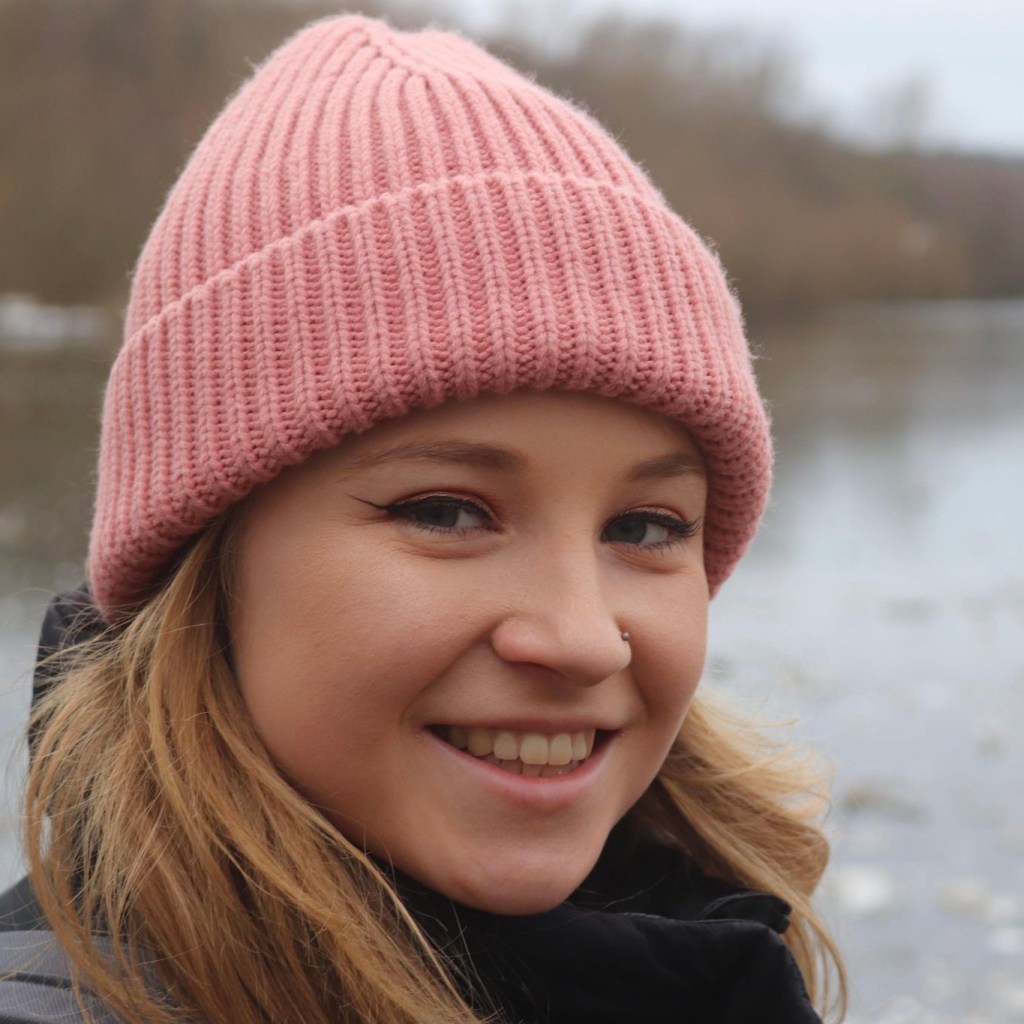
Jane Thurgood, Research Associate working on a global dataset of prescribed burns.
I am an Environmental Science student at UEA, currently working to understand the potential of prescribed burns to mitigate wildfire risks and emissions at the global scale.
I am working with land managers all over the world to collate a dataset of prescribed burns, using skills in geospatial analysis to understand how meteorology influences land management decisions. Monitoring these land management decisions at the global scale provides critical information to identify future opportunities to use prescribed burning to reduce wildfire emissions.
My work has been funded by the internship competition of the UEA’s School of Environmental Sciences and by the EU Horizon 2020 Project VERIFY.
In 2022, I will continue my research at the University of Colorado, Boulder, and thereafter I aim to study for a PhD in a related field of environmental sciences in future.
Outside of my research I love sport, especially netball and MMA, and I like to travel at any opportunity.
Jane went on to study for her PhD at the University of East Anglia, focussing on water security on East Anglia.
Previously Advertised Positions
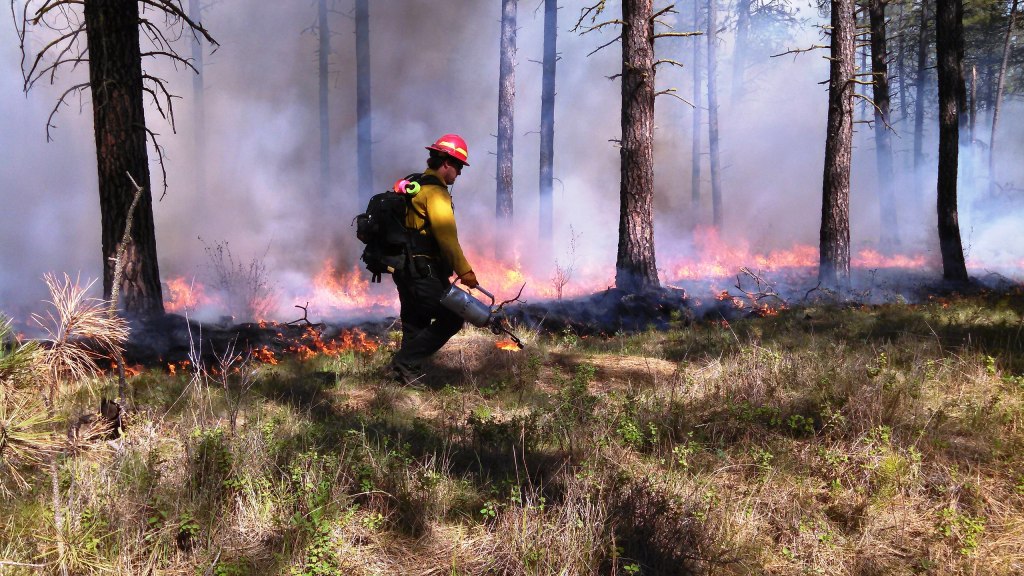
PhD: Fighting fire with fire: global impacts of climate change on wildfire mitigation using prescribed burns
Interested in how climate change could impact regional windows of opportunity to conduct prescribed burns and prevent wildfires?
This position has been filled.
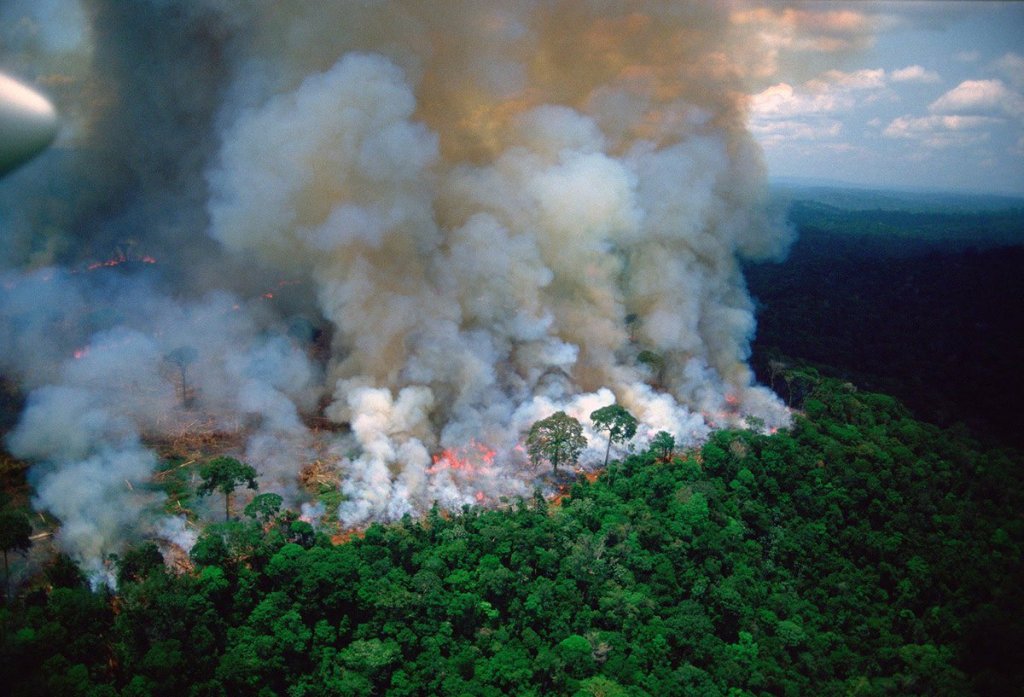
PhD: Following the light: using ‘brightspots’ to avoid future Amazonian fires
Interested in what drives variability in the relationship between humans and fire in Amazonia, and how lessons from ‘success stories’ can be transferred into policies that prevent forest loss?
This position has been filled.
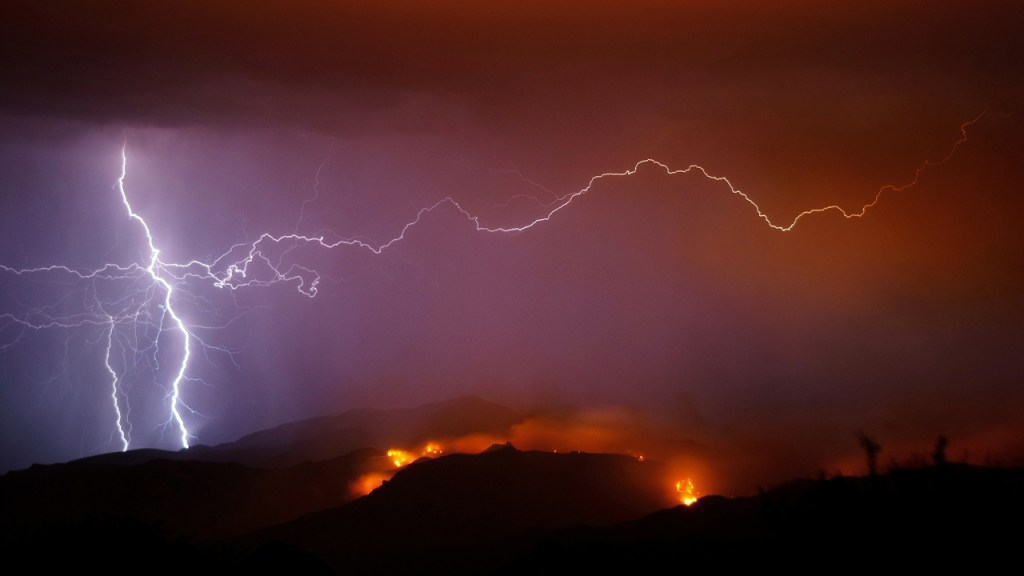
PhD: Climate change impacts on wildfire risk in seasonally dry forests
Interested in how climate change could affect the occurrence of lightning and the ignition of dangerous forest wildfires?
This position has been filled.
 Dr Matthew Jones
You must be logged in to post a comment.